Sunday, 4 December 2022

The Whisky Jury Ben Nevis 1996 Whisky Review!

It's been a long time since I reviewed a Ben Nevis, about 5-years in fact, and my opinion of the distillery has changed completely since those earlier days. Which is all thanks to a few great independent bottlings, including this one!


Highland distillery Ben Nevis is not what you'd call consistent. Their whisky is the polar opposite of something like Caol Ila or Clynelish, which never really go wrong. Ben Nevis's spirit tends to be on the dirtier, heavier side, particularly when sherry casks are involved, although official bottlings now seem to be moving away from that heavier style. Ex-bourbon cask examples can be excellent as well, in the best case scenario they offer a very fruity and almost tropical style, but I personally prefer the heavier, more funky style of Ben Nevis that tends to come from time in sherry casks. Older independent bottlings of the make can be brilliant, again particularly when sherry casks are involved, with a plethora of examples available from just about every bottler out there. Official bottlings from the distillery are still relatively few & far between, with the long-standing but very inconsistent 10-year old joined by a second core range bottling in 2021, the non-age statement 'Coire Leis', named after the distillery's water source. Ben Nevis is named after the mountain that sits behind the distillery, and is located in Fort William, just north of Glencoe and about 2.5-hours drive north-west of Glasgow. The distillery produces around 2-million litres of spirit per year, uses wooden washbacks and a portion of brewer's yeast, with relatively fast distillation in four plain copper pot stills - i.e. relatively squat & wide-necked stills with no extra reflux devices - that feed into modern shell & tube condensers. That lack of reflux helps with the heavy, rich & intentionally "rough around the edges" spirit character that requires a good amount of time to mature, but it can pay off in the end when the right cask is involved. 

Ben Nevis is almost infamous these days thanks to its involvement with "Japanese" whisky thanks to owners Nikka Whisky who purchased the distillery in 1989, which is itself owned by Asahi. Even now with decent whisky regulations finally on the horizon in Japan, most of Nikka's products that are not single malt (so excluding Yoichi and Miyagikyo single malts) will contain some Ben Nevis spirit, shipped to Japan in bulk and bottled as part of many "Japanese" blended whiskies. More than a third of this Scottish distillery's production is exported for this purpose, and that's not likely to change anytime soon. The initial "labelling standards" recently put forth by the Japan Spirits & Liqueurs Makers Association only apply to their members (Nikka is one), and they don't come into effect until 2024. They're basically voluntary otherwise, and not legally binding, although that'll hopefully change in future. So Nikka is not doing anything illegal, and they're far from the only offenders here. A huge number of other "Japanese whisky" brands do the same, if they're even actually whisky at all by international standards, but that's another story. To Nikka's credit their official website now declares which of their products do or do not qualify as Japanese whisky under these forthcoming labelling standards, but as far as I'm aware they haven't actually changed any labelling as yet. Anyway, enough has been said about all that elsewhere, we're talking about Ben Nevis single malt Scotch whisky here. 

This particular Ben Nevis is an independent bottling from The Whisky Jury, a relatively new bottler of both whisky & rum that is based in Belgium. Their bottlings first appeared in 2019, with small quantities arriving in Australia from late 2021. All Whisky Jury bottlings are cask strength single casks, thus far mostly of considerable age, and their pricing is relatively reasonable given the currency that this sort of whisky commands these days. Less reasonable in Australia of course, but that's nothing unusual. Based on the three examples that I've tasted to date the level of quality in their bottlings seems very high, and all are non-chill filtered and natural colour. So let's hope we see more of their work down here in future. In this case we have a 24-year old Ben Nevis taken from a single 500-litre sherry butt, cask #1473, distilled in 1996 and bottled in 2021 at a cask strength of 52.8% ABV, with a yield of 354 bottles - those damn angels! Retail pricing was circa $600 AUD which is a tad on the high side, but is certainly not horrible given these specifications and the following that sherry cask Ben Nevis bottlings have. The sample for this review came from a fellow whisky nerd, unfortunately I've been sitting on it for a while now so the secondary market will be your only chance at finding a bottle. Let's see how it goes!


The Whisky Jury Ben Nevis 1996, 24-year old, 52.8%. Highlands, Scotland.
Distilled 1996, bottled 2021. Fully matured in ex-sherry butt #1473. Non-chill filtered, natural colour. 354 bottles. 

Colour: Bronze. 

Nose: Fruity, rancio & peppery. Dried & fresh stone fruit (plum, raisins, apricot), vanilla bean. White pepper & dried mushrooms. Dank old wood, salted roasted nuts (almond, walnut, hazelnut), freshly dried mango skins. Caramel fudge, touch of cured meats (i.e. salami) in the background. Gets both fruitier & more peppered with more time. 

Texture: Medium weight. Very fruity, spicy, sweeter than the nose suggested. Slight heat but pleasant.

Taste: Rum & raisin fudge, white pepper, and salted roasted nuts. Creamy mango & vanilla ice cream coming through alongside before it dries out to cured meats & dried mushrooms. Dried mango skins & dried stone fruit underneath. 

Finish: Medium-long length. Touch of dank old wood & dried mushrooms again before that bright tropical fruit & fresh stone fruit (apricot & raisin here) take over. Mango & vanilla ice cream, salted roasted nuts (particularly walnut here), and white pepper rounding things out. 

Score: 4 out of 5. 

Notes: Very, very good! Thanks to a brief previous encounter I already had an inkling that it was a great Ben Nevis, and looking at it more closely and unencumbered definitely confirms that. What's interesting is that it's a mix of both the earthier, dirtier, spicier style and the brighter, tropical fruit style, and I don't recall getting both styles in the same dram before. While it does lean a little towards the former, maybe the sherry butt was a second fill, or maybe it was just a bit slow off the mark. Either way, it's a good thing! 

This Ben Nevis is a little rough around the edges, even after nearly a quarter-century of maturation, but it's rough around the edges in an endearing, characterful way, given how much flavour it's packing. That's a great description to sum up many of the heavier unpeated malts, and it's why many of them have such a cult following among the enthusiasts. Ben Nevis included!

Cheers!

Sunday, 27 November 2022

"Whisky by Whisky Whisky" Whisky Review!

I know, that's a terrible title, but I promise it's not my fault! As you'll see from the label below, the proprietor of this new independent bottling is testing the limits of how many times the word "whisky" can appear on a bottle of whisky!


This new arrival is an independent bottling of single malt Scotch whisky, sourced and bottled for the organisers of the annual Brisbane whisky show / event dubbed "Whisky Whisky". In a fit of madness - possibly after many, many drams - head honcho Shaun decided to both label & brand his independent bottling as "Whisky by Whisky Whisky". I'm still cringing each time I type the words, but I'll get over it. Maybe. Anyway, nomenclature aside this is a single cask bottling that is exclusive to Australia, bottled at cask strength from a refill ex-bourbon cask without any added colouring or chill filtration. This first bottling is from the Highland region, but that's as much information as you'll find on the label. It's not much of a mystery to those "in the know" since the this Highlander is peated, which leaves a few options, but only a couple that are realistic possibilities for a small independent bottler right out of the gate. Shaun's asked me not to name the distillery involved, and he didn't tell me in the first place, rather I pieced it together in around 2-seconds flat, and I'm sure many readers will. I'll also tease you with the fact that I'm not a huge fan of this distillery, particularly in their official bottlings but also in many independent examples. It's just not a name I'd normally reach for. Yes I should know better, but I can't drink 'em all! That said, I have come across a couple of excellent independent examples over the years, and yes, this particular cask is a winner. Considering that this is the first foray of "Whisky by Whisky Whisky" (sorry, still cringing) in the arena of independent bottlings, they've set the bar quite high!

Whisky Whisky is an annual whisky event in turn organised by Brisbane-based whisky club Supping Club, who hold monthly social catch-ups for dinner & drams. Whisky Whisky is a more casual affair than the likes of Whisky Live or the QLD Malt Whisky Expo; it's actually held outdoors, under cover thankfully (although Shaun has placed yours truly in the path of blaring sunlight for two years in a row now. Hmm...), and has a growing following and a great list of both small & large vendors presenting their wares. So how & why did this lawyer by trade go from organising relatively small whisky & spirits events in Brisbane, Australia, to becoming an independent bottler of single malt Scotch whisky? That came about through Will Pitchforth, who looks after commercial operations for Bladnoch Distillery from Australia, and dabbles in independent bottling & cask brokering in his spare time. Who wouldn't jump at this chance if it was presented to them! 

Starting with a cask strength, single cask peated single malt is a great sign for the future of this little outfit. This is a peated single malt Scotch whisky from the Highland region, and it's from the mainland rather than the islands. That only really leaves a few distilleries as viable options; Edradour's Ballechin, Glenturret, Loch Lomond, or Ben Nevis, discounting newcomers Ardnamurchan and Wolfburn, who as far as I'm aware aren't selling casks externally. But there's one more distillery that is owned by a large Japanese corporation, and doesn't appear very often in official bottlings - and is usually lacklustre when it does - but is relatively easy to find in independent bottlings. Being a mainland operation this distillery's style of peat influence is quite distinctive, being more earthy & leathery rather than peaty & smoky like you'd expect from the big brands of peated malts. Then again this spirit does often find its way into refill casks that were previously used at a sister distillery over on Islay, although I don't think that's been the case here. This is an 8-year old refill bourbon barrel, bottled at a cask strength of 57.3% ABV and in 750ml bottles - that's right, 750ml bottles here in Australia, take that America! There are only 200 bottles available, and pricing is going to be quite reasonable at $199 AUD for Supping Club members, and $229 for general sale. For those playing overseas this is about the going rate for a cask strength single cask in Australia, so this is a reasonable offer. This whisky officially launched this week, November the 25th to be exact, so it's available here (Australia only) and probably won't last long. Let's get into it!


"A Whisky by Whisky Whisky" Cask #001, 8-year old, 57.3%. Highlands, Scotland.
Peated single malt distilled at unnamed distillery in the Highlands region. Matured in a refill ex-bourbon barrel. Non-chill filtered, natural colour. 200 bottles. 

Colour: Pale gold. 

Nose: Sweet pastry (e.g. pie crust), soft ashy smoke, and lovely dry maltiness. Old coarse leather, touch of dry earthy peat, hot wood embers. Slight hints of yeasty acidity & floral spirit (acetone) around the edges, with touches green chilli flakes & under-ripe banana. 

Texture: Medium weight. Builds quickly. Earthy & dry, malty & smoky. Slight touch of heat but it's well-integrated. 

Taste: More sweet pastry / pie crust, dry, ashy smoke with some vanilla bean & chilled butter underneath. Growing earthy peat & dry spiciness (smoked chilli flakes this time) heading into the finish. 

Finish: Medium length. Malty & earthy, slight touch of acetone, then that big leathery, spicy, dry & smoky punch comes back through. Hints of peanut butter & chilli chocolate, then black pepper, malt, and old leather to finish. 

Score: 3.5 out of 5. 

Notes: There's really no mistaking this distillery, especially when it's presented at a young age and in a refill cask so the spirit character shows through. This cask is certainly youthful & spirit driven, but it carries itself well with lovely doses of dry earthy peat, coarse old leather, soft smoke & dry maltiness. And that's exactly what you want from this Highland distillery, which shall remain nameless. It's quite a unique flavour profile that is almost completely neglected by the distillery owners, and if you've only tried their ~$60 NAS bottling you'll be hard-pressed to recognise the distillery character in it - but that's entirely the fault of the lacklustre official bottling, and not the independents. I get the impression that they only keep it running for the sake of Teacher's, to the point where they now make a high proportion of unpeated spirit there that is destined to become blend filler. Which is a shame, but we have to remember that blends are still the name of the game for all of the larger corporations. Thankfully we have independent bottlers to save some of the good examples before they're blended into oblivion! 

This is a great example of that situation, even if the distillery shall remain nameless. Well done Shaun & team on this first independent bottling! 

Cheers!

Sunday, 20 November 2022

Ardbeg Hypernova Whisky Review!

Take the idea behind Ardbeg Supernova, add some extra peat and an extra dash of hype, and you get Ardbeg Hypernova!


Just when we thought Ardbeg's Supernova had conceded the phenolic ppm cold war to Bruichladdich's Octomore, the south coast Islay giant has launched a late counterattack with a 170+ ppm single malt, aptly dubbed Hypernova due to the amount of internet hype that its announcement generated. No, not really! A hypernova is an astronomy term for a particularly large & energetic star explosion, a.k.a. supernova, which if you'll recall was the name for Ardbeg's sporadic releases of super-heavily peated whiskies that debuted in 2009. The 2009 and 2010 releases were distilled from barley peated to "over 100 ppm", and both but particularly the 2009 were excellent whiskies. The next Supernova was released in 2014, and another in 2015, then most recently in 2019. Crucially, those three latter releases were a mix of the "over 100 ppm" spirit and casks of regular 55 ppm Ardbeg spirit that were "found to be particularly peaty". While that fact alone does not make them inferior to their predecessors, in my opinion the quality of those three releases was not on par with the first two Supernovae, they were much more tame and less complex, and you could certainly argue that they were less authentic compared to the original two. Thankfully, that doesn't appear to be the case with Hypernova, as far as I can tell it's wholly distilled from barley that was peated to over 170 ppm phenols. Supposedly those last three Supernovae also had some older casks thrown in and also had a slightly higher proportion of sherry casks in the vattings, although you'd be hard-pressed to find evidence of either point on the nose or palate. The ABV was also getting consistently lower with each release, following a similar pattern to the Ardbeg Day bottlings. To strengthen that authenticity argument, Ardbeg's marketing department kept that 55/100 ppm fact very quiet, deciding instead to sprout some bullshit about a space experiment which had nothing whatsoever to do with the whisky. Yep, that sounds just like Ardbeg's marketing department to me! Punks, pirates, hippies, dragons, cryptocurrency, and now comic books & meat pies. I love you Ardbeg, but where will it end!?! 

That said, Ardbeg's usually ridiculous level of marketing has been toned down for Hypernova, they've only given the ppm figure and tasting notes, there's no highly imaginative story this time, the "artistic license" has been restrained. But while I'm being cynical about marketing, let's talk about the whole ppm thing. Firstly, those three letters mean "parts per million", a measurement which can apply to just about anything but is mainly used in chemistry. When a whisky distiller or brand talks about ppm, they're generally talking about the level of phenolic compounds or phenols that were measured in their malted barley. Not the new make spirit and certainly not the mature whisky, but the freshly-malted barley itself; the grain, the base ingredient. Most smoke and/or peat aromas & flavours are members of the phenolic family, but there are many, many others, all included in your shiny little ppm figure. More importantly, since that measurement is taken from the malted barley itself, said barley then goes through milling, mashing, fermentation, distillation, and maturation, before coming out the other end as whisky. The general rule of thumb that most peated whisky distillers agree on is that up to 60% of phenolic content will be lost during the production stages prior to maturation. Obviously that loss varies massively depending on your grist settings, fermentation times, distillation speeds, the size, shape and design of your stills, your spirit cut points, the type of cask/s you're using, how long you're ageing for, and the type- and location of your warehouse/s, among many other factors. It's important to remember that despite Ardbeg being an overtly peaty whisky, it's actually relatively light compared to some others, despite using a higher ppm barley than most. That's down to a couple of factors that we can point to; chiefly the relatively long fermentation times used and the design of their stills, including the purifiers on the spirit stills (more information on both points here). But there are also many other factors that we can't point to; the alchemistic, mysterious, unquantifiable & unpredictable ones that make whisky so fascinating. So yes, this is going to be a peaty whisky, that's really all these phenolic ppm figures tell you. But I'll tell you right now, it's not going to taste three-times as peaty as Ardbeg 10, or five-times as peaty as Lagavulin 12. Even if it was, our senses wouldn't be able to detect it. Sure, ppm figures are a nice thing to know, but they're now more of a marketing weapon than anything else. 

Which brings me to the most obvious comparison that most people will make here, Bruichladdich's Octomore. Sure, both Octomore and Hypernova are super-heavily peated Islay single malts, but there's much more to the story. Bruichladdich have turned ppm figures into marketing gold over the years, but if anyone has compared a 5-year old _.1 Octomore, particularly one from the 9-series onwards, with a Laphroaig 10 Cask Strength or a Lagavulin 12, you'll already know that those ppm figures are of no help whatsoever when it comes to inter-distillery comparisons. Keeping it brief, Octomore barley is smoked with mainland peat in Inverness (yes, even the Islay Barley variants), which instantly rules out any direct comparison with the likes of Lagavulin or Laphroaig which use Islay peat. Then you need to consider Bruichladdich's long fermentation times, their tall stills with narrow necks, and their high & narrow cut points. Then you need to consider the casks used, which in the _.1 Octomores are all first-fill bourbon barrels, which have plenty of input over the short maturation periods. Sadly & predictably we have no age information or cask information on Ardbeg Hypernova, but it's obviously going to be young for maximum peatiness, and there will have been some/mostly/entirely refill casks in the vatting for the same reason. Or at least partly for the same reason. What we do know, and what I had guessed from the start, is that like Octomore the barley used for Hypernova was peated on the mainland. As far as peat levels that basically rules out direct comparisons with the Ardbeg core range, which uses peated malt sourced from Port Ellen Maltings, who use Islay peat to smoke their malted barley. Quick digression, that situation could change soon given the restrictions that owners Diageo recently put on Port Ellen Maltings' supply to external customers, which is likely to impact all non-Diageo Islay distilleries aside from Bruichladdich, plus more distilleries further afield. But that's a scary thought for another day!

One more slight point of cynicism before we get into the review - pricing. Given Ardbeg's roller coaster (pun intended) of a limited release track record over the last five years or so, and despite being a self-confessed peat-head and Ardbeg fan, I was dubious about Hypernova from the word go. To the point where I purposely didn't buy one, something that would've been unthinkable a few years ago. And I'm sure many other Ardbeg fans are in the same boat. While price wasn't the only factor in that decision, it was the final decider. Here in Australia the asking price on launch, untested and with nothing but the official tasting notes and ppm figure to go on, was $370 AUD. It could've been even higher of course, Octomore _.2 and _.3 releases are now hitting over the $300 mark on these shores - and let's not forget that most of those are 5-year old whiskies. I'm probably being naïve now, but I can't ignore the fact that those same dollars spent on one Hypernova could buy three - yes, three - bottles of the delicious Ardbeg 8-year old 'For Discussion' which is still readily available, is probably a similar age to (or older than) Hypernova, and is bottled at almost exactly the same strength. My Hypernova decision could've been reversed if there had been some external reviews available prior to release, and/or more transparency from the distillery on casks & ages. But that's not realistically how special releases from Ardbeg or other popular distilleries work these days. If you don't buy a bottle on release, or prior to release in many cases, then you miss out. So there's no need for a brand to put in extra effort in order to sell their new product. Some might say that this situation gives the brands some extra wiggle room when it comes to quality...

So, no cask information, no age information, not cask strength, but a decent ABV at 51.0%. It'll be young, of course, to retain maximum peatiness. Malted barley peated to 170+ ppm phenols, non-chill filtered and natural colour, an unknown number of bottles, and a hefty but not stratospheric price. The sample for this review came my way in a sample swap from a generous fellow whisky lover, there was no PR firm involved. Let's find out if I'll regret my decision...


Ardbeg Hypernova, NAS, 51.0%. Islay, Scotland.
Peated to 170+ ppm phenols on the malted barley. No age or cask information available, but presumed refill bourbon barrels and sub-10-years. Non-chill filtered, natural colour. 

Colour: Very pale gold. 

Nose: Definitely very young & completely new make driven. Definitely peaty as well, but more measured than you might expect. New plastic, warm tar, and big chunky, earthy peat. Touches of brine, dried lemon, and seaweed. Hot bitumen, clean rubber, and dried green chilli flakes. Really quite industrial. Flashes of burnt bacon, green pears, and damp sand in behind.  

Texture: Medium-heavy weight. Young, industrial, peaty, mildly briny. Slight touch of heat but well integrated. 

Taste: Big sweet & malty spirit, touch of pear again, with those plastic & tar/bitumen notes as well. The big chunky, earthy peat slowly surges in, plus some burnt bacon, aniseed & sweet lemon. Make that lemon balm actually (slightly waxy). Brine around the edges. 

Finish: Medium-long length. More plasticky & tarry/bitumen notes, more aniseed & lemon balm. Spent ink cartridges. Burnt bacon & dried green chilli flakes again. Touch of white pepper. Gristy, malty spirit and warm ashy smoke to finish. 

Score: 3.5 out of 5. Not miles away from a 4, though. 
 
Notes: A very youthful new make spirit Ardbeg here. There are flashes of both 'Still Young' (yay!) and 'Wee Beastie' (boo!) to it, but thankfully it's far more mature than the 5-year old beastie. This is still an immature whisky though, make no mistake. Maybe "more integrated" is a better way of putting it than "more mature". Both Hypernova and Wee Beastie have plenty of plastic notes & pear notes to them, but the Hypernova is a far better whisky in my opinion with much more to offer (ignoring the massive price difference). 

As expected, Hypernova is not as insanely peaty & smoky as the marketing team would lead you to believe, while the peat is impossible to miss it actually builds over time and doesn't overshadow everything else. There's also a nice gristy maltiness to the spirit, which is why it reminds me slightly of 'Still Young', but with the industrial & plasticky notes added to this one. Frankly, I'm enjoying this new Hypernova more than I thought I would. Some have made comparisons with mezcal, and I definitely agree. That does happen with some young Islays, and it's a fairly divisive style that might require patience. But I'm a fan, as are many others. 

While I don't quite regret skipping this purchase, and it's absolutely too expensive, I'm glad to have tried it and I'd definitely do so again. Which is not something you'll hear me say about Wee Beastie, Ardcore, Fermutation, or some of the other recent releases. 

For those who skipped all of the above writing and only came for the score, you probably want two questions answered before you close your browser. Fine, here you go: Is it peatier than Octomore? Yes, but only some Octomores, and in a different way. Is it better than Octomore? No, because there's no direct comparison between the two. See above if you want to know more!

Cheers!

Sunday, 13 November 2022

SMWS 115.22 AnCnoc 28 Year Old Whisky Review!

An SMWS bottling of a 28-year old single cask, cask strength AnCnoc single malt from Speyside's Knockdhu Distillery. 


The AnCnoc brand of single malt is produced by Knockdhu Distillery, with owners Inver House wanting to avoid any possible (and already unlikely) confusion with Diageo's Knockando Distillery that is relatively close-by. Speyside distillery Knockdhu was built in 1983 by Diageo-predecessor DCL in 1893 and is located around 25-miles south-east of Elgin near Keith. Like many DCL/SMD distilleries Knockdhu was closed during the low-point of 1983, and in 1988 was sold to Inver House Distillers, with production resuming in 1989. That company is now owned by a Thai corporation, and boasts a very respectable portfolio of Scotch whisky distilleries including Balblair, Pulteney, Speyburn and Balmenach distilleries, in addition to Knockdhu - pronounced "nock-doo", and meaning "Black Hill" in Gaelic, named after a local landmark. The distillery's single malt was first released under the name Knockdhu, but was renamed to AnCnoc (pronounced "an-ock" and meaning "The Hill") in 1994, and to add to the confusion it's labelled as a Highland single malt rather than a Speyside one. Which is fine, the Speyside whisky region is in the Highlands geographically, and it probably does help the brand stand out from its many neighbours. 

As far as production goes the distillerys most interesting point would be the worm tub condensers that are fitted to both pot stills, but with the two separate condenser pipes/worms actually sharing one cooling tub, which is very unusual and would likely give a slower condensation than individual tubs due to the added warmth - provided both stills were running simultaneously. The distillery also produces a heavily peated spirit, first distilled in 2003, which initially bucked the trend by measuring & declaring the phenolic content of the whisky itself rather than that of the malted barley like almost every other whisky brand. Unfortunately this has since been reversed since it caused confusion with consumers and probably ended up costing the brand sales in the race for ever-higher ppm figures, which is really more about marketing than anything else. I still think that change is a bit of a shame, but I can understand their reasoning since your average buyer is not going to read the fine print, and is unlikely to understand / care about the difference between the two measurements anyway. A similar thing happened with the vintage releases from Balblair and Glenrothes rather than age statements, with both brands eventually reverting to regular age statements to avoid confusion amongst the punters. 

The AnCnoc that we're looking at here is an independent bottling from the Scotch Malt Whisky Society, a.k.a. SMWS or "the Society", and is part of their "Premium Bottling" range - essentially this means it's an older whisky with a black label rather than their usual white, and also comes packaged in a cardboard box. These are not as rare and/or as old as their "Vaults Collection" range of bottlings, which have a different label again and are packaged in a rather nice wooden box. The pricing for these is generally quite high, between $500 and $1,500, with most 25-year old or older bottlings now sitting around the $900 mark. I must admit though that while I've only tried a few examples to date, quality has been very high in those cases. This SMWS single cask AnCnoc, code 115.22 (meaning the 22nd cask the SMWS has bottled from distillery 115, which is Knockdhu) was released in Australia in October 2021, and the pricing was actually quite reasonable for a 28-year old single cask at $595. This bottling was distilled in June 1992 and bottled in mid-2021, and was fully matured in a refill ex-bourbon barrel prior to being bottled at a cask strength of 49.6%. The cask only yielded 148 bottles, and it is of course non-chill filtered and natural colour, as with all SMWS malt whiskies. Given the distillery's closure it's quite rare to find an old example of Knockdhu, and the oldest official bottling that has been seen to date, a 35-year old bottled at only 41% ABV, is priced at a whopping $1,600 AUD. So $600-ish is actually cheap in comparison, particularly for a sort-of-similar age and at cask strength, although that price would certainly jump up if it was being released today. The sample for this review came from a generous fellow whisky nerd. Let's see how it goes!


SMWS 115.22, 28-year old AnCnoc, 49.6% ABV. Speyside, Scotland.
"Shimmering Beauty of Butterfly Wings", distilled June 1992, matured in a single refill ex-bourbon cask, bottled mid-2021 at cask strength. 148 bottles, released October 2021 in Australia.

Colour: Pale gold. 

Nose: Nice dry, malty, spicy old dram. Malt biscuits, musty old books, antique wooden furniture. Slightly yeasty, think sourdough starter, plus a little desiccated coconut & fresh green apple. With more time green banana dusted with icing sugar, and white pepper. 

Texture: Medium weight. Rich & oily, malty & spicy. No heat at all. 

Taste: Oily, malty, spicy entry. Slightly sweeter here. Roasted almonds, malt biscuits, white pepper, touch of vanilla fudge, and a little sweet tropical fruit. That musty old book & dusty antique furniture again (yes, we're on the palate here), and that touch of icing sugar again. 

Finish: Medium length. White pepper again, more desiccated coconut & vanilla fudge, malt biscuits, and yeasty sourdough bread. Roasted almonds, soft old leather & drying wood spices. Spent malt (draff) and browning (oxidising) green apple to finish. 

Score: 4 out of 5. 

Notes: Lovely old school Speyside malt. There's quite a bit of wood influence, the cask hasn't been lazy, but it's not been forceful either. I'd say there's clearly been a nice slow-paced maturation where the cask has been left alone to do its thing. This AnCnoc does drink slightly above its strength, but not in an aggressive or harsh way by any means, just in a more expressive, more accessible way in terms of flavour - which is what you want in a 28-year old whisky. Having tried a 22-year old AnCnoc official bottling from a similar era (i.e. bottled a few years earlier than this one) this SMWS single cask is much more expressive, much more "old school" and really quite charming. A great example of a patiently aged Speysider that doesn't do anything unexpected, but isn't lacking in any department. Again, exactly what you want in a 28-year old whisky. 

It'd certainly be nice to go back to mid-2021 whisky pricing!

Cheers!

Sunday, 6 November 2022

Highwayman 2.7 & 3.3 Whisky Reviews!

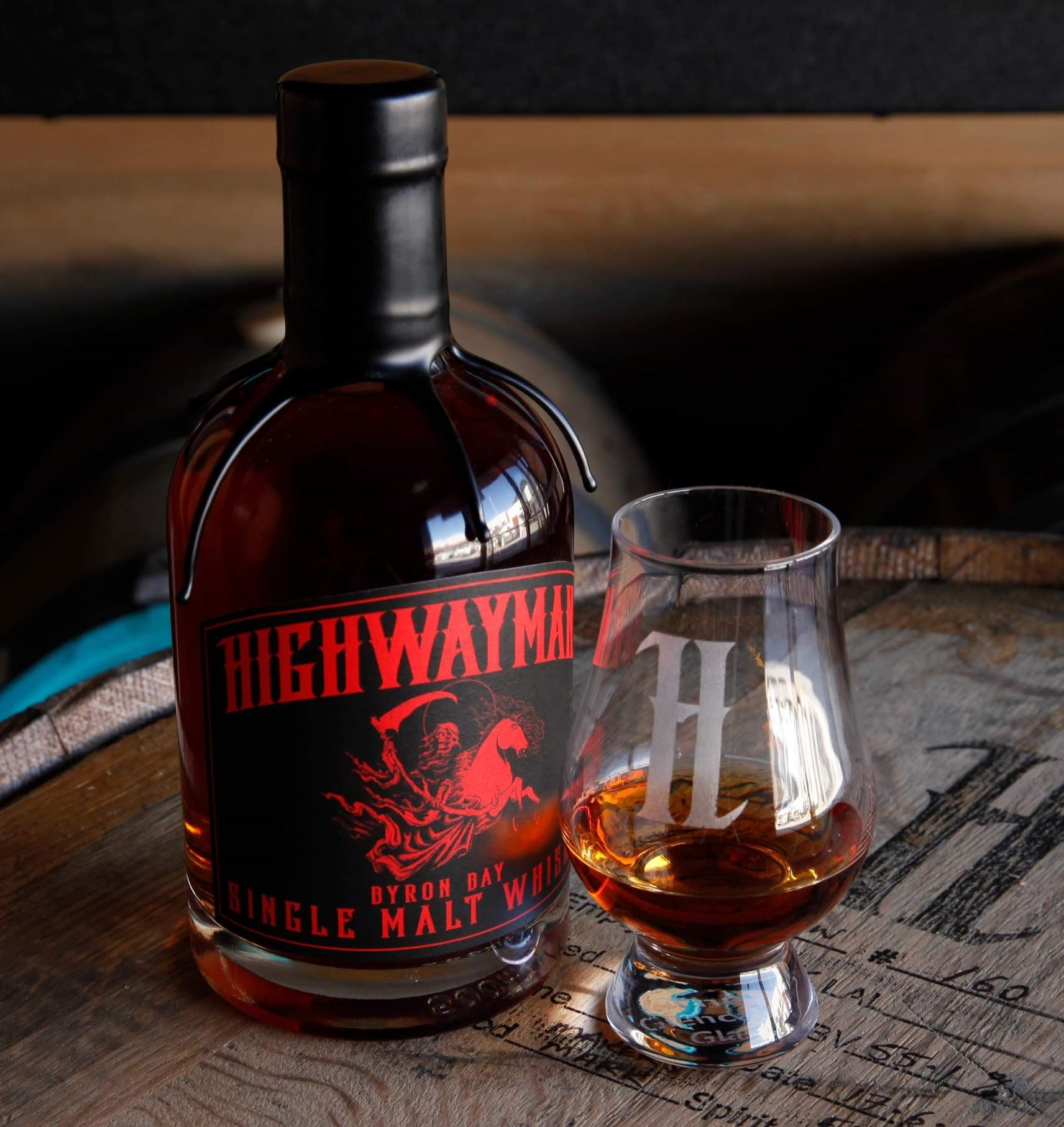
Two recent releases from Dan Woolley's Highwayman Australian Single Malt Whisky; Batch 2.7, an unpeated red wine cask, and the latest release Batch 3.3, a peated red wine cask that was finished in a refill ex-bourbon cask. 


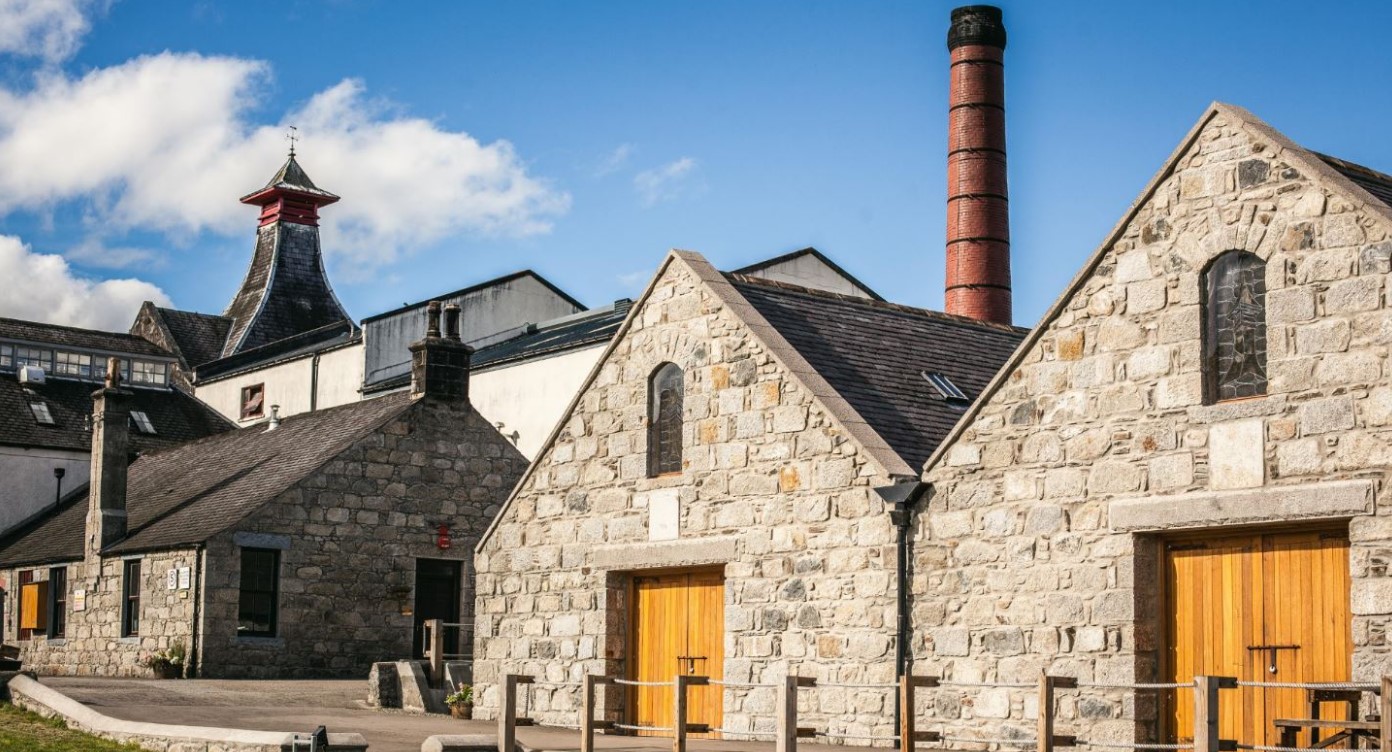
Since these are Highwayman whiskies, before you ask, Batch 2.7 sold out in early October through the Australian Whisky Appreciation Society (AWAS), and Batch 3.3 was released on Halloween just this week, with only a small amount available from the Highwayman HQ / cellar door in Byron Bay (pictured above, open by appointment only). Essentially with these tiny batches if you're not smashing your browser's refresh button on the Highwayman website at the time of release, you've missed your chance. Dan isn't silly though, he's now holding back small amounts of each release for the cellar door as a reward for those who book in for one of his masterclasses and make the trek to Byron Bay in Northern NSW, roughly 2.5-hours south of Brisbane. Or alternatively, for those who attend one of his excellent events at the cellar door, which are really not to be missed! The most recent was held in August and was dubbed "Winter Whisky Fest", featuring multiple one hour-long masterclasses held by Dan, followed by a hefty serving of three different spit-roasted BBQ meats and an absolutely epic pecan tart made with ex-Highwayman barrel-aged honey. There was also an exclusive single cask release to mark the occasion, hand-filled straight from the cask on the spot, and also the release of a local hot sauce that had been barrel-aged in an ex-Highwayman whisky cask. As you can see, Dan certainly knows what he's doing with these events and collaborations, I've never seen anything like this in the Australian whisky industry outside of larger events like Tasmanian Whisky Week down south. In fact these events are more like what you'd expect to see at an Islay distillery's Feis Ile day, albeit on a much, much smaller scale! Events like this, and the time & effort he puts into them, is what made Dan stand out during his long tenure as the National Brand Ambassador for Beam Suntory, and he's now putting the same time & effort into his own whisky! 

Speaking of which, there's another event coming up on Saturday the 3rd of December (2022). This "Summer Mash-Up" event will see multiple masterclass sessions featuring three different Highwayman whiskies paired with three different sliders (miniature burgers) from a local gourmet burger producer. But that's not all, attendees will also receive a tailor-made chocolate paired with a tawny (Australian port) fortified wine that was aged in an ex-Highwayman whisky cask, and there'll also be Highwayman highballs (whisky & soda) and "peated coladas" (I'll report back on that one!) available from the bar. But even that's not all! There's actually a "hot wing challenge" contest to close out the festivities on the day, which should make for great fun! Grab your tickets here for this awesome event, it's limited to fifty people in total, ten per session, and is very reasonably priced at $69 per head. To give some perspective on pricing for those further afield, that is a similar price to what many whisky bars in Australia will charge for a single dram of Highwayman whisky - which is a subject for another day - while here you're getting three drams paired with three sliders during a bespoke masterclass led by the man behind the whisky, plus chocolate & fortified wine for dessert. Quite the bargain really! Needless to say these events are not massive money-making marketing exercises for Highwayman, they're just fun events, designed to get people down to the cellar door, and to get some Highwayman whisky in their glasses. I'm sure we'll be seeing more of these in the future!

For a quick recap, Highwayman is Dan Woolley's single malt whisky brand. While the first ten releases were distilled elsewhere and matured & bottled in Byron Bay, most releases since then (as declared on the labels) have been distilled at the Restall family's Lord Byron Distillery. Lord Byron primarily make rum as their own product, but their distillery plays host to Dan's own mash tun, fermenters, and his own copper pot still which previously lived at Tasmania's Adams Distillery. Dan's production equipment is only used for malt whisky, made entirely separately to Lord Byron's other products. This is part of what separates this arrangement from your typical contract distilling / non-distilling producer (NDP) operation, not to mention the fact that Dan himself is helping to make the whisky, with some help from the Lord Byron team. Essentially he's utilising Lord Byron's production license, distillery premises and staff to brew his wash and distill his spirit, which is then filled into his own casks. Once filled the casks are transported to the Highwayman bond store / warehouse and cellar door, although more accurately they're rolled there - the Highwayman bond store and cellar door is around five-metres away from Lord Byron Distillery, literally separated by a wall. So the Highwayman spirit, after being mashed and fermented on site at the distillery in Byron Bay (sadly not a legal requirement for Australian single malt whisky), is distilled in Dan's own equipment right next door to the warehouse where it's matured, and when ready it's bottled on site. Hardly your typical contract distilling/NDP operation, and a far cry from most independent bottlers.

On to the whiskies at hand, starting with the unpeated Highwayman Batch 2.7. This one has been aged for 2-years & 8-months in a 100-litre French oak ex-red wine cask that was put through a "super-heavy charring" process (beyond level four / 'alligator' char) at Seppeltsfield Cooperage in South Australia. Being unpeated Lord Byron Distillery spirit means that this whisky was made from NSW-grown malted barley, and was mashed, fermented, distilled, matured and bottled in Byron Bay. Total yield from that 100-litre cask was just 130 x 500ml bottles at 55% ABV - those are some thirsty angels! As mentioned above this one was sold through the Australian Whisky Appreciation Society (AWAS) website in September/October, whereas most releases are sold directly through the Highwayman site.


Highwayman Batch 2.7, NAS (See Below), 55% ABV. Byron Bay, Australia.
Unpeated spirit from Lord Byron Distillery, aged 2-years & 8-months in a 100-litre "super-heavy charred" French oak red wine cask. 130 x 500ml bottles. 

Colour: Rust red. 

Nose: Dry (savoury) with toasted oak, roasted nuts (walnut & almond) & dried stone fruit (apricot). Touch of fresh earthy & mushroom savouriness. Black cherry jam on lightly burnt toast. Dark chocolate, red grape skins (mild tannins), cinnamon stick, and a little ginger. 

Texture: Heavy weight. Syrupy in texture but dry & savoury in flavour. Very slight heat on the back palate. 

Taste: Savoury with more toasted oak, roasted nuts, and dried stone fruit - apricot again. Ginger, cinnamon stick, and dark chocolate. Soft & mild tannins (red grape skins), and black cherry jam. 

Finish: Short-medium length. More black cherry & apricot, slightly burnt toast & roasted nuts - walnut & almond again, plus hazelnut here. Touch of astringency showing through now with more grape skins & soft ginger. 

Score: 3 out of 5. 

Notes: The wine & wood influence is certainly throwing its weight around, but it's kept in check by that charring process, keeping any excessive sweetness in check. Probably helped by the larger (in comparison with some Australian brands) cask as well. I'm sure red wine lovers would adore this dram, but it's not heavy enough to put everyone else off. Really quite easy drinking as well.  

Co-owner Louis keeps a close eye on Dan in the tasting room.

And next up, the latest release, Highwayman Batch 3.3. This one is a peated whisky (denoted by the black & red label), distilled from 75% peated Scottish barley and 25% unpeated NSW barley, which again was mashed, fermented, distilled and matured in Byron Bay. Ageing this time was over 2-years in another 100-litre French oak ex-red wine cask that was "super heavily charred", but this batch was then transferred into a 200-litre American oak ex-bourbon cask for a further 7-months. So initial maturation was in a smaller 100-litre red wine cask, prior to finishing in a full-size 200-litre ex-bourbon cask, which is essentially the reverse of the typical finishing / secondary-maturation process. This isn't Dan's first use of full-size / larger format casks and there are more on the way, but it's great to see them being used more in Australian whisky, particularly the ex-bourbon variety. Let's hope the dark (pun intended) days of the Australian industry's 20-litre wood monsters are numbered! Yield this time was 150 x 500ml bottles, mostly sold out directly through Dan's website this week, but with a few stragglers still available from the Highwayman bond store / cellar door in Byron Bay. 


Highwayman Batch 3.3, NAS (see below), 55% ABV. Byron Bay, Australia.
Peated spirit from Lord Byron Distillery, mix of 25% unpeated NSW barley and 75% peated Scottish barley. Aged over 2-years in a 100-litre "super-heavy charred" French oak red wine cask, finished for 7-months in a 200-litre ex-bourbon cask. 150 x 500ml bottles. 

Colour: Bronze. 

Nose: Fresh & lively with a fizzy / effervescent peatiness and a good pinch of sea salt. Coke bottle lollies (cola cubes to the Brits), fried mushrooms with melted salted butter. Pine needles, pumpernickel bread (dry & dark), and burnt orange peel. Soft warming smoke wafting underneath. 

Texture: Medium-heavy weight. Heavier than the nose suggested, with that fresh & fizzy peatiness. Savoury & buttery. Very slight heat. 

Taste: Big wave of ashy smoke & hot embers, more coke bottle lollies, some vanilla essence, and caramel fudge. Soft wine tannins, blackberry jam. Earthy & spicy peat underneath adding more savoury elements. 

Finish: Medium-long length. Grape must, earthy & fizzy peat, touch of treacle, and mild chilli salt. Touch of oily smoked fish in the background, i.e. hot-smoked salmon. Burnt orange peel, and even a touch of amaro (bitter herbal liqueur found in negroni cocktails), plus a touch of that dry pumpernickel bread again. 

Score: 3.5 out of 5. 

Notes: More complexity, more character, and a better balance of wine influence - no doubt thanks to that full-size ex-bourbon cask finishing period, and also the addition of a good whack of peat, which is adding more depth and adding more savouriness. Some very interesting notes in there too to keep the synapses firing!

Overall Notes: It's probably no surprise to anyone, but the peated release is more to my taste, although both are very enjoyable, good quality drams. Dan has always said that his unpeated releases will be big, cask-forward whiskies, driven by the wood & the previous contents, while his peated releases will be more balanced between cask and spirit. And that's exactly what we have here. That said, I've had plenty of Australian whiskies that were far more cask-driven than the unpeated Batch 2.7, and plenty that were entirely one-dimensional. Which is not what you're going to get with any Highwayman whisky! 

Thanks to Dan Woolley for the samples for this review, and also for the bottle images. I hope to see some locals down at his Summer Mash event next month, and those further afield will just have to put Highwayman on their list when they're travelling down under!

Cheers!

Sunday, 16 October 2022

Port Charlotte Valinch SHC01 Whisky Review!

A sherry cask-matured Port Charlotte Valinch that I brought back from Islay as a souvenir in late-2018. So you probably won't find a bottle, unless you scour the secondary auction sites. Why am I reviewing it, then? For the same reason that I review most older and/or rarer bottlings when I get the opportunity: because they're outstanding!


Sherry cask matured Port Charlotte is surprisingly difficult to find. The same applies to the distillery's unpeated Bruichladdich spirit, and even more so their super-heavily peated Octomore spirit. Bruichladdich distillery just doesn't use a lot of sherry casks these days, they much prefer wine casks, or other more exotic / uncommon types of fortified wine. And that's largely been the case since the re-opening back in 2001, with a few notable exceptions from the earlier years of "PC" bottlings, although most of those were vattings of both ex-bourbon and ex-sherry casks. Maybe the distillery saw the sherry cask shortage coming? More likely they saw a then-untapped resource in wine casks, the use of which they essentially pioneered in Scotch whisky, at least on any major scale. The Bruichladdich team has mentioned that they were not willing to settle for the short-term "sherry seasoned" casks that are relied on by many others, where the cask has been filled with sherry solely for the purpose of being emptied and sold on to the whisky industry. This means that if you do find a sherry cask matured Bruichladdich, Port Charlotte or Octomore, particularly if it's a more-recent official bottling, it'll likely be from an ex-solera cask that has been used to actually mature sherry at a Bodega / sherry house. Which usually (but not always) means it will be American oak rather than European oak, and that it may have held sherry for quite a long time, so the wine has drawn a lot of the wood influence out of the cask, and in turn the cask has soaked up more of the wine. These ex-solera sherry casks will often have a more savoury, dirty, "funky" or "rancio" flavour profile than a sherry-seasoned cask, generally with less wood tannins. These casks are also much rarer than the sherry seasoned casks, and are more expensive as a result.

If you do find a sherry cask Bruichladdich it'll most likely be an expensive limited release, something like a Feis Ile bottling e.g. Octomore Event Horizon, or an older travel exclusive e.g. Bruichladdich 1990/25, or perhaps one of the distillery exclusive "Valinch" bottlings. These hand-filled 500ml bottles are only sold from the distillery shop on Islay, for a very reasonable price, and the level of quality tends to be high. They're usually single cask bottlings, specifically selected by the production team - often Adam Hannett himself - to be sent to the 'laddie shop for thirsty pilgrims to purchase as a souvenir. And that's exactly where this particular Valinch bottle came from, hand-filled by yours truly. This whisky was one of the liquid highlights of my most recent trip to Islay, back in late-2018 (feels more like a decade ago now, though!), despite it having some very serious competition. There are usually two casks available in the shop at any given time, a cask of unpeated Bruichladdich, and a cask of heavily peated (40 ppm) Port Charlotte. The Bruichladdich cask at the time was an enjoyable teenaged ex-bourbon cask, but this Port Charlotte stood head & shoulders above the rest, even having just come from the distillery's famous warehouse tasting which includes three very generous drams - a Bruichladdich, a Port Charlotte and an Octomore - taken straight from the cask. I often take quite a while to make purchasing decisions when surrounded by limited release whiskies, particularly when faced with limited luggage space and a limited budget. But even after trying a few other examples in the 'laddie shop, there was no way this sherry cask-matured Port Charlotte wasn't coming home with me. This is absolutely one of the best examples of sherry cask matured Islay whisky that I've experienced to date.

Despite many peat-heads wishing otherwise, peated spirit and sherry casks don't always get along. Particularly in fully-matured first-fill form, one component tends to dominate the other; either the peat will be dominated by the sherry cask and the whisky loses character as a result, even with heavily peated Islay whiskies. Or on the flipside, the sherry can be dominated by the spirit and the cask influence is barely detectable, particularly if the whisky was only given a short finishing period in said cask. It seems to take very careful cask management, i.e. the right spirit from the right distillery going into the right cask for the right period of time, to pull it off successfully - and those are only the few variables that can be controlled. This is also why refill sherry casks are seen more often with peated whisky; even if the cask's first use was relatively short, the spirit will have more of a fighting chance if it's already been used for maturation. The size of the cask is also important of course, which can be offset by longer maturation. While it isn't explicitly stated, in the case of Port Charlotte Valinch SHC:01 - Bruichladdich shorthand for Sherry Cask 01 - this cask was probably a 600-ish litre puncheon, because the yield for this cask was a whopping 1,134 x 500ml bottles. Said cask was filled in October 2006, matured for 11-years in first-fill sherry cask #2134, and bottled in late 2018 at a hefty cask strength of 62.9% ABV. Obviously being a Bruichladdich product it is non-chill filtered and natural colour. This was also one of the first Port Charlotte Valinch bottlings released in the current packaging, with the stumpy green "smoke grenade" bottles and the plain white labels. The idea with this distinctive packaging was to give Port Charlotte its time in the spotlight, to make it stand out from the pack. It's definitely worked! Let's get to it.


Port Charlotte Valinch SHC:01, 11-years old, 62.9%. Islay, Scotland.
Distilled October 2006, fully matured in first-fill sherry puncheon #2134, bottled late 2018. Non-chill filtered, natural colour, 1,134 x 500ml bottles. 

Colour: Dark bronze. 

Nose: Massively rich & intense. A mountain of salted caramel dark chocolate, burnt seaweed, orange rind, sweet & spicy BBQ'd stone fruit, and sea salt flakes. Salted pork crackling (a.k.a. pork rinds / scratchings), earthy peat, dried shiitake mushrooms, and marmite (salty yeast extract spread). Huge!

Texture: Medium-heavy weight. Massive again, but not aggressive or overbearing. And only a slight touch of heat, well integrated. 

Taste: Sweet & rich BBQ'd stone fruit, think sweet & spicy BBQ sauce with apricot, plum, nectarine, and a touch of peach). Burnt currants, more marmite spread, and loads of salted caramel dark chocolate again. Dried orange slices, earthy peat. Singed raisins, and date syrup underneath. 

Finish: Very long length. Touch of salted BBQ pork, more dark chocolate, singed raisins & burnt currants. Blow-torched orange rind, more shiitake mushrooms and burnt seaweed. Earthy peat comes through with some thick wood smoke, a little smoked vanilla, and more sweet & spicy BBQ sauce. 

Score: 4.5 out of 5. But we're very, very close to a 5. 

Notes: What an absolute stunner. This may just be my all-time favourite first-fill sherry cask Islay whisky. The balance between peat and sherry is just about spot on, despite this obviously being a very active (and very tight) cask. Likewise the balance between sweet, funk & smoke. Like I said above, peat and sherry don't always get along, particularly first-fill and fully-matured sherry. So I can certainly see why this cask of Port Charlotte was chosen as a distillery exclusive Valinch bottling. This is an extremely rich, dark, salty, funky dram, and I have no complaints whatsoever. Bruichladdich really knocked it out of the park with this one!

Am I showing a slight bias by scoring my own "liquid souvenir" so highly? Well, maybe, but this review game is always a subjective thing anyway. These might be fighting words, but only Islay can pull off a magical dram like this. I'd offer to share it with you all, but I've shared quite a bit of it already, and to paraphrase an Aussie classic the rest "is going straight to the pool room". Needless to say, if you do get a chance to try Port Charlotte SHC:01, jump on it with both feet. 

Cheers!

Sunday, 9 October 2022

Laphroaig 10 Cask Strength Batch 14 Whisky Review!

Laphroaig seem to be pumping out these batches at an ever-increasing rate lately, and it's getting hard to keep up. In fact they're already up to Batch 15 now, so we'd better hurry!


It may get lost in the noise made by other limited releases and "sexier" independent bottlings from the same distillery, and it's never gotten as much attention as the more 'experimental' Cairdeas bottlings from the same distillery. But mark my words people; ignore Laphroaig 10 Cask Strength at your peril! Pricing has barely changed in the last few years, currently sitting at just under 60 Euros on the distillery's website, and it can be found for under $100 USD in America, both of which are an absolute steal. Since this whisky is not imported into Australia by the local distributor (CCA), that doesn't include shipping, which can be 40 Euros depending on your location, and also local handling fees & customs charges. If you're in metro Australia I'd guesstimate a landed total of around $180 AUD once everyone has had their slice of the pie. Yes, there are cheaper cask strength whiskies out there that you don't need to import yourself, and yes, that's relatively expensive for a 10-year old whisky. But this is cask strength Laphroaig, which makes it one of the most Islay of all the Islays. And that's significantly cheaper than most of the equivalent independent bottlings from this distillery, including the "mystery" bottlings that don't explicitly name the distillery. Some retailers do parallel import "Laph 10 CS" into Australia, but you're looking at a minimum of $250 AUD once they've add their mark-ups, which is too steep for this dram in my opinion. So you're better off importing it yourself straight from the distillery, which in reality is just as easy as buying from a local retailer, it just takes much longer to come from Europe - seems to be around a month, in fact!

The recipe is a simple one really, you just take your standard 10-year old expression and skip the dilution and the chill filtration. Sounds easy, doesn't it? It's a shame that many distilleries can't be bothered doing the same! While many release their flagship bottlings at 46%, 50% or at least 43% these days, the differences between the standard bottling and the cask strength version are much more pronounced here. In fact you may struggle to grasp that they were even from the same distillery! That's because Laphroaig bottles their regular core range 10-year old at the legal minimum strength of 40% ABV (unless you're in the US where it's 43%), and it's heavily chill filtered and loaded with E150a artificial colouring. Laphroaig is far from the only offender there, but it's still a massive shame and a huge missed opportunity that they aren't getting with the times. The only positive here is that they do release the cask strength version where many distilleries don't, and we can't forget that Laphroaig 10-year old is the highest selling and most recognised Islay single malt in the world. Still, a 46% version would be great to see, even at a higher price - ignoring the fact that the 40%-er is already more expensive than many of its competitors, most of which are bottled at a higher ABV. Let's not forget that the only two Islay distilleries who still insist on bottling their flagship single malts at the legal minimum of 40% ABV, being Laphroaig and Bowmore, are owned by the same company, Beam Suntory. The other seven Islay distilleries, from the two large Diageo-owned down to the small privately-owned Kilchoman, bottle their single malt at 43% and above, with quite a few going for 46% and above across their entire single malt ranges. Food for thought, isn't it?

Along with the likes of Lagavulin 12-year old, cask strength versions of Kilchoman's Machir Bay, and - provided you get a good batch at a good price - Ardbeg's Corryvreckan and Uigeadail, Laphroaig 10 Cask Strength is one of the best "bang for your buck" official bottlings of Islay single malt out there. Yes there's some batch variation with these Laphroaigs, but that applies to just about every whisky on the market, including those others listed above. Some batches are better than others, but I'm yet to taste a "bad" one, or one that I haven't enjoyed. We aren't told how many bottles are released in each batch, but they don't seem to sell out in any hurry, even after the Europeans and Americans get their allocations. For example, Batch 14 that I'm reviewing today was actually bottled in June 2021, released later that year, and is still available on the distillery's website, along with quite a few other retailers. Batch 13 was bottled in January 2021, while the latest Batch 15 was bottled in December 2021 but was only "pre-released" on the website in the last month or so but has started popping up at other British retailers. While there used to be one batch released per year, the releases seem to be all over the place now. Maybe the disastrous worldwide logistics situation has something to do with that, I'm not sure. But they also don't seem to be selling out as quickly as they have in the past, quite possibly because there are too many batches being released in quick succession. Anyway, let's take a closer look at Batch Laphroaig 10 Cask Strength Batch 14. ABV this time is 58.6%, and it's non-chill filtered and bottled in June 2021, but released in late '21 and still widely available in some markets - albeit by private or parallel import if you're in Australia and the other countries that are unfairly deprived of these monsters. Let's dive in!


Laphroaig 10 Year Old Cask Strength, Batch 014, 58.6%. Islay, Scotland.
Matured in ex-bourbon barrels, bottled June 2021 (released late '21), non-chill filtered. Colouring unknown.

Colour: Copper. Colouring could go either way I think, but maybe less than the core range 10yo. 

Nose: Rich, sweet, mega-coastal and peaty. Quite nippy as well. Big oily, muddy, sweet peat, with burning rosemary, and damp moss. Hot ashes, rock pools, and chilli salt. Vanilla cream, toffee fudge & sweet oak. Touches of aniseed, wasabi paste & fried green banana underneath. Black pepper & sweet lemon zest with more time. 

Texture: Medium-heavy weight. Rich, sweet, oily, peaty & medicinal. Touch of heat but milder than the nose suggested.  

Taste: Big aggressive entry with vanilla pod, chilli salt, burnt rosemary, and that big muddy, oily, dank peatiness. Toffee fudge, brown butter & sweet lemon zest underneath, plus a hint of sweet fruit. Iodine and hot cinnamon. 

Finish: Very long length. Black pepper & chilli salt alongside that oily, muddy, dank peat. Hot ashes again, then iodine & disinfectant, with a couple of bandaids thrown in for good measure. Thick oily peat & sweet vanilla powering through to the end. 

Score: 4 out of 5. 

Notes: It's more aggressive than I remember the other recent batches being, although I'm yet to take a close (read: uninhibited) look at batch 13. But this is still a massive flavour-packed Islay monster, one of the big dogs that refuses to shy away from any fight. If you've tried this year's Cairdeas release, 'Warehouse 1", which is very soft & relatively subtle, this is the absolute polar opposite. Huge peatiness & sweetness, with the trademark fudge & disinfectant. That always sounds like an odd combination, and it certainly won't be to everyone's tastes, but if you're an Islay lover it doesn't get much better. In the rankings I'd put this batch 14 above batch 8, and roughly on par with 9, 10 and 12 overall, but not on the level of batch 11. Batches 6 & 7 are still my picks of the numbered batches to date, but we're getting a bit far back there (7-8 years!) for any fair comparisons. 

For the price level, if you're lucky enough to get it for close to the distillery's RRP, Laphroaig 10 Cask Strength is almost impossible to beat. If not for the local customs charges in Australia you'd be paying roughly the same as the local pricing for the standard 10-year old at 40% ABV, and as I said above you'll struggle to pick the two as products of the same distillery. I've already said it many times and I'm sure the result (or lack of) will be the same this time, but I'm going to say it again. Please, CCA & Beam Suntory, bring some of this beast to Australia! 

Cheers!

Kanosuke Distillery Festival 2025 Whisky Review!

My first Kanosuke review! This one was bottled for the distillery's festival in 2025, and a good mate shared a sample from his souvenir ...